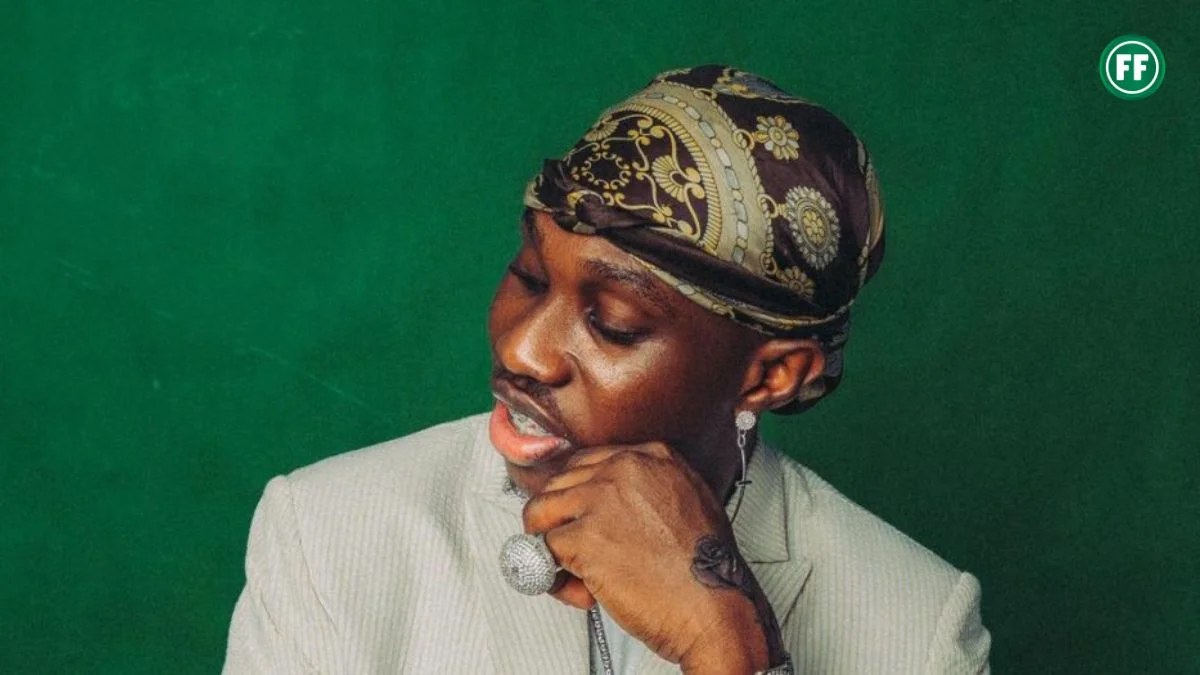
The Zanku Dance Revolution: How Zlatan Ibile’s Creation Took Nigeria by Storm
In the bustling streets of Lagos, a dance revolution began that would eventually capture the attention of international superstars like Beyoncé. The Zanku dance, also known as “Legwork,” has become one of Nigeria’s most recognizable cultural exports, transforming from a local street movement into a global phenomenon.
The energetic dance style, characterized by rhythmic foot stamping, vigorous body movements, and a signature leg kick, emerged from the creative mind of Nigerian rapper Zlatan Ibile (born Omoniyi Temidayo Raphael) in 2018. What started as a local dance quickly evolved into a cultural movement that would reshape Nigerian pop music and street culture.
Zanku made its first public appearance in the music video for Chinko Ekun’s “Able God” in the third quarter of 2018. However, it was Zlatan’s strategic promotion and personal branding that transformed the dance from a simple routine into a nationwide craze. The name “Zanku” itself is an acronym for “Zlatan Abeg No Kill Us,” reflecting fans’ amazement at the rapper’s rapid-fire release of hit songs and energetic performances.
Growing up in Ikorodu, a working-class area in northern Lagos, Zlatan drew inspiration from his environment and visits to the famous New Afrika Shrine. “Growing up was hard for me because where I’m from, you hardly saw people go on to make an impact on the world,” Zlatan explained in interviews, highlighting how his background shaped his determination to create something unique.
By 2018, the Shaku Shaku dance had dominated Nigerian streets for nearly two years, launching careers of artists like Mr. Real, Slimcase, and Idowest. However, Zanku’s arrival marked a changing of the guard. In his collaboration with Burna Boy on “Killin Dem,” Zlatan boldly declared: “Mo gbe Zanku wole, mo ni kon fade Shaku Shaku” (I introduced Zanku and dealt the death knell to Shaku Shaku).
The dance style involves fast-paced, rhythmic movements of the legs, hands, and chest, with performers responding to the recurring chant of “gbe body e” (lift your body) throughout Zanku songs. The signature move includes a jump kick in the air, sometimes as high as head level, with more enthusiastic dancers adding roundhouse kicks for dramatic effect.
The international breakthrough came in summer 2020 when Beyoncé performed Zanku-inspired moves in her music video “Already” featuring Ghanaian artist Shatta Wale. The Nigerian internet erupted with excitement, tagging Zlatan in countless posts celebrating this global recognition.
“I wasn’t surprised because we are all one race,” Zlatan responded modestly. “People kept tagging me to the post, but I know African culture is vibrant and our brothers and sisters overseas want to feel the same things that we feel. I’m just grateful that something I created served as the bridge”.
Zanku represents more than just choreography—it embodies a fusion of music, lifestyle, and street culture. The accompanying music style features bass-heavy production, street lyricism, and high-octane ad-libs that mirror the energetic dance moves. Artists like Danny S, Naira Marley, and others created songs specifically designed to complement Zanku dancing, birthing music that reflected the realities of Lagos street life.
The cultural significance extends beyond entertainment. Zanku became a symbol of Lagos street culture’s ability to influence global trends, joining the ranks of previous Nigerian dance exports like Galala, Azonto, and Shaku Shaku. However, unlike its predecessors, Zanku achieved unprecedented international recognition, appearing in mainstream American entertainment and social media platforms worldwide.
Not all reactions to Zanku have been positive. Some critics have raised concerns about the dance’s origins, with claims circulating on social media that it has connections to traditional Benin kingdom spiritual practices. These allegations suggest the dance steps mirror movements performed by priestesses during traditional ceremonies, sparking debates about cultural appropriation and spiritual implications.
However, these claims remain largely unsubstantiated, and Zlatan has consistently maintained that Zanku is his original creation, inspired by his observations at Lagos nightlife venues and his desire to create something uniquely his own.
Today, Zanku remains a trusted go-to move for many on Nigerian dance floors, even as newer dances have emerged. Zlatan’s 2019 debut album, also titled “Zanku,” served as both a musical showcase and a patent of sorts for his dance creation. The 17-track album explored various Afrobeats subgenres while cementing Zanku’s place in Nigerian music history.
The success of Zanku demonstrates the power of Nigerian street culture to influence global trends, proving that creativity emerging from Lagos’ densely populated neighborhoods can capture worldwide attention. From the face-me-I-face-you compounds of Ikorodu to international stages, Zanku’s journey represents the dreams and aspirations of countless young Nigerians seeking to make their mark on the world.
As Nigerian music continues to gain global recognition, Zanku stands as a testament to the country’s ability to create and export cultural phenomena that resonate far beyond its borders, one energetic leg kick at a time.